


For communities living in remote and rural areas, reliable communication can make all the difference during an emergency. In the Roseberry Creek Valley, limited mobile coverage, challenging terrain and increasing natural disaster risks have highlighted the need for a dependable communication network.
Building Community Resilience in a Remote Valley
Nestled within the Border Ranges region on the Queensland and New South Wales border, the Roseberry Creek Valley is home to around 90 residents across an 11-kilometre stretch of road.
Many residents live alone, and the community has a growing ageing population. The valley’s unique geography, including steep terrain, hills and winding roads, can make communication difficult at the best of times. During floods, bushfires or severe weather events, residents can become isolated when roads are cut off and traditional communication networks fail.
Recognising these challenges, the community came together to develop a practical solution that would improve safety and emergency preparedness for everyone living in the valley.
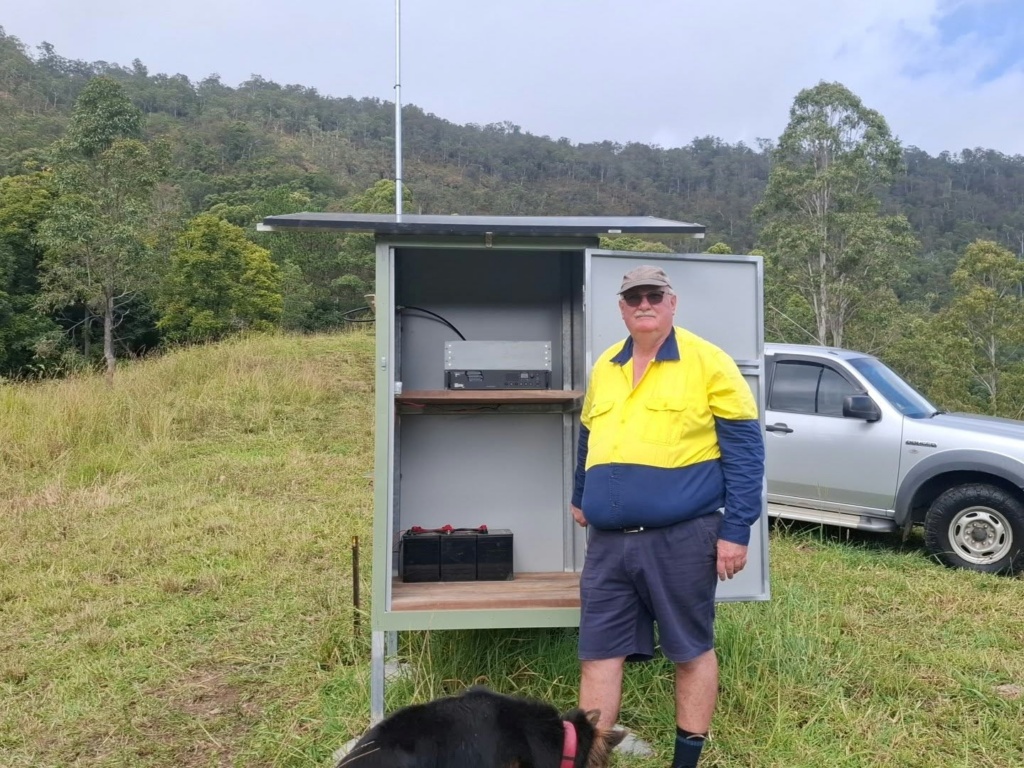
A Stronger Emergency Communication Network
The project delivered several important outcomes:
- Installation of a UHF repeater to extend radio coverage throughout the valley.
- Purchase and distribution of eight UHF radios for community use.
- Improved communication between residents during emergencies.
- Faster sharing of critical information and response coordination.
- Monthly radio testing and training sessions to ensure equipment remains operational and community members are confident using the network.
- Dedicated community volunteers monitoring the UHF network from key locations, helping ensure communication channels remain active and support is available when needed.
- Increased community resilience and preparedness for future natural disasters.
The UHF repeater plays a critical role in overcoming the valley’s geographical challenges. Rather than relying on direct line-of-sight communication, radios can now transmit signals to the repeater, which then relays messages across the wider area.
Community-Led Solutions Creating Lasting Impact
What makes this project particularly special is the strong community support behind it.
Local community members, businesses and volunteers worked together to bring the project to life. A local landowner offered a suitable location for the repeater, while other supporters contributed access tracks, equipment, batteries and practical assistance to ensure the system could be installed and maintained.
The community continues to conduct monthly radio checks on the first Wednesday of every month, helping ensure the network remains operational and residents remain confident in using the system when needed.
TURSA funding also supported community radio training, helping residents develop the skills and confidence to use the equipment effectively during emergencies.
Real-Life Benefits During Emergencies
The true value of the network has been demonstrated during real emergency situations, where reliable communication has helped keep residents safe and connected when other services were unavailable.
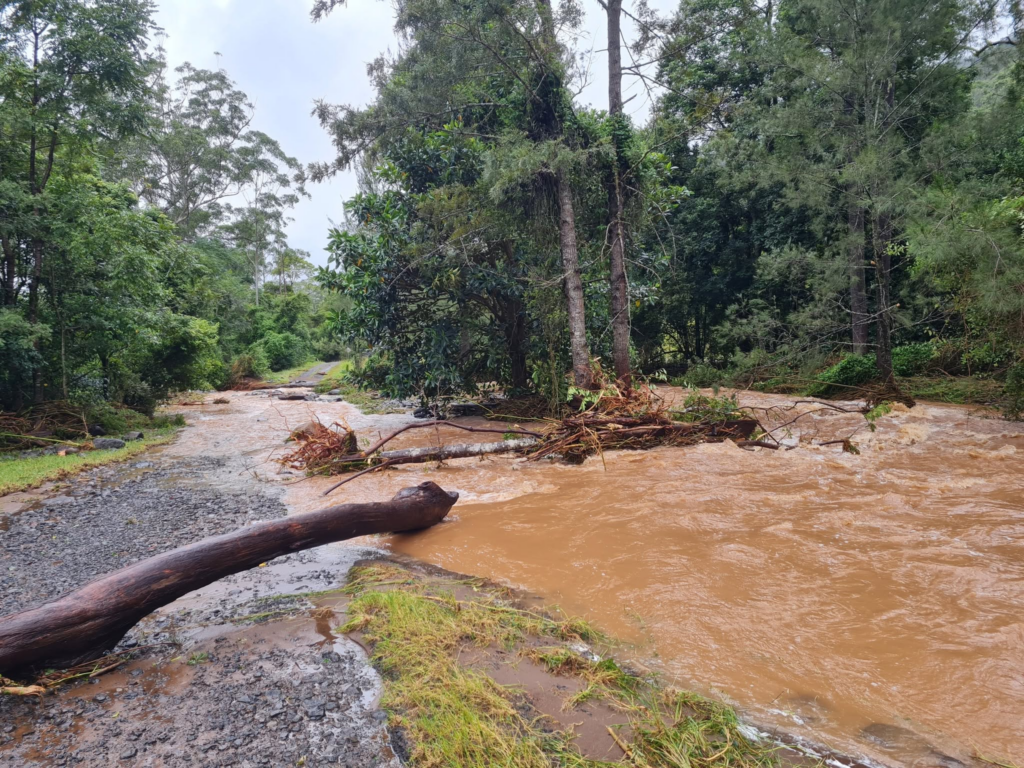
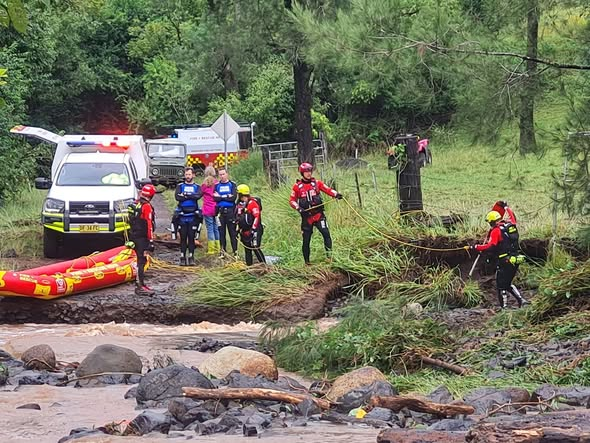
In one instance, severe flooding washed out a causeway, leaving a resident couple stranded on opposite sides with no mobile phone coverage. Through the UHF network, they were able to stay in contact, assess the situation together and develop a safe plan until conditions improved. Having a reliable way to communicate reduced stress and uncertainty, while helping them avoid unnecessary risks.
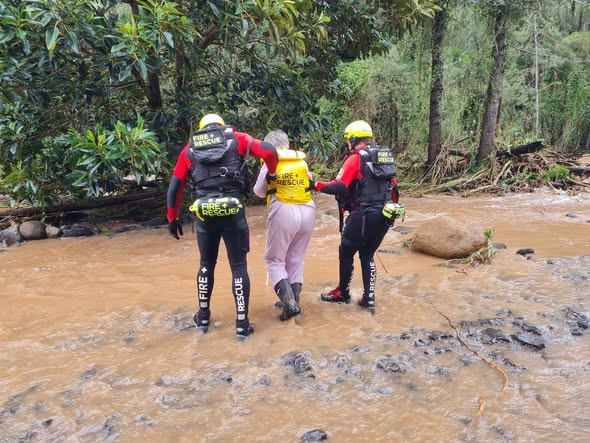
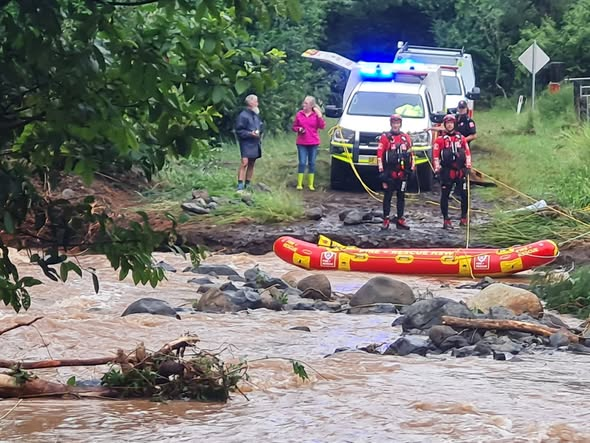
In another incident, a local resident suffered a serious fall from a ladder and was unable to access emergency services directly. Using the UHF network, she was able to contact a nearby neighbour, who quickly attended to assist. The neighbour then radioed another community member in a location with mobile reception, enabling emergency services to be contacted. Medical advice was relayed back through the radio network, allowing first aid support to be provided while waiting for help to arrive. Community members also assisted emergency responders to safely access the property across a flooded causeway. The resident was transported to hospital, where she spent a month recovering before returning home.
These experiences highlight that the network is much more than a communication tool. It is a community-led support system that enables residents to stay informed, coordinate assistance, access emergency services and support one another when it matters most.
More Than a Communication Network
Investing in Stronger Communities
The Roseberry Creek UHF Radio Repeater Project is a powerful example of what can be achieved when community organisations, volunteers, local businesses and residents work together toward a shared goal.
Through the TURSA Community Grant Program, this project has delivered more than improved communication. It has strengthened community connections, increased emergency preparedness and given residents greater confidence that help is never too far away when they need it most.
As the community looks to the future, plans to strengthen connections with local emergency services, including the Rural Fire Brigade, will further enhance the network’s ability to support residents during times of need.
By investing in projects like this, we continue to support safer, stronger and more connected communities across our region.
The project was delivered by the Border Ranges-Richmond Valley Landcare Network (BRRVLN) on behalf of the Roseberry Creek Community Led Resilience Team, with strong local support and participation from residents throughout the valley.
With Special mentions to Tamar Cohen, Project Officer and Local Landcare Coordinator with BRRVLN, the project has demonstrated the power of communities working together to improve preparedness and resilience.
Looking Ahead
With the foundation now in place, the next stage is focused on strengthening connections across the broader emergency response network. BRRVLN and the Roseberry Creek Community Led Resilience Team are working to build stronger relationships with local Rural Fire Service brigades, emergency services and other community organisations to further enhance communication, coordination and preparedness across the region.
By expanding these partnerships, the community aims to create an even more connected and resilient network that can support residents before, during and after emergency events.











 Afrikaans
 Albanian
 Amharic
 Arabic
 Armenian
 Azerbaijani
 Basque
 Belarusian
 Bengali
 Bosnian
 Bulgarian
 Catalan
 Cebuano
 Chichewa
 Chinese (Simplified)
 Chinese (Traditional)
 Corsican
 Croatian
 Czech
 Danish
 Dutch
 English
 Esperanto
 Estonian
 Filipino
 Finnish
 French
 Frisian
 Galician
 Georgian
 German
 Greek
 Gujarati
 Haitian Creole
 Hausa
 Hawaiian
 Hebrew
 Hindi
 Hmong
 Hungarian
 Icelandic
 Igbo
 Indonesian
 Irish
 Italian
 Japanese
 Javanese
 Kannada
 Kazakh
 Khmer
 Korean
 Kurdish (Kurmanji)
 Kyrgyz
 Lao
 Latin
 Latvian
 Lithuanian
 Luxembourgish
 Macedonian
 Malagasy
 Malay
 Malayalam
 Maltese
 Maori
 Marathi
 Mongolian
 Myanmar (Burmese)
 Nepali
 Norwegian
 Pashto
 Persian
 Polish
 Portuguese
 Punjabi
 Romanian
 Russian
 Samoan
 Scottish Gaelic
 Serbian
 Sesotho
 Shona
 Sindhi
 Sinhala
 Slovak
 Slovenian
 Somali
 Spanish
 Sudanese
 Swahili
 Swedish
 Tajik
 Tamil
 Telugu
 Thai
 Turkish
 Ukrainian
 Urdu
 Uzbek
 Vietnamese
 Welsh
 Xhosa
 Yiddish
 Yoruba
 Zulu